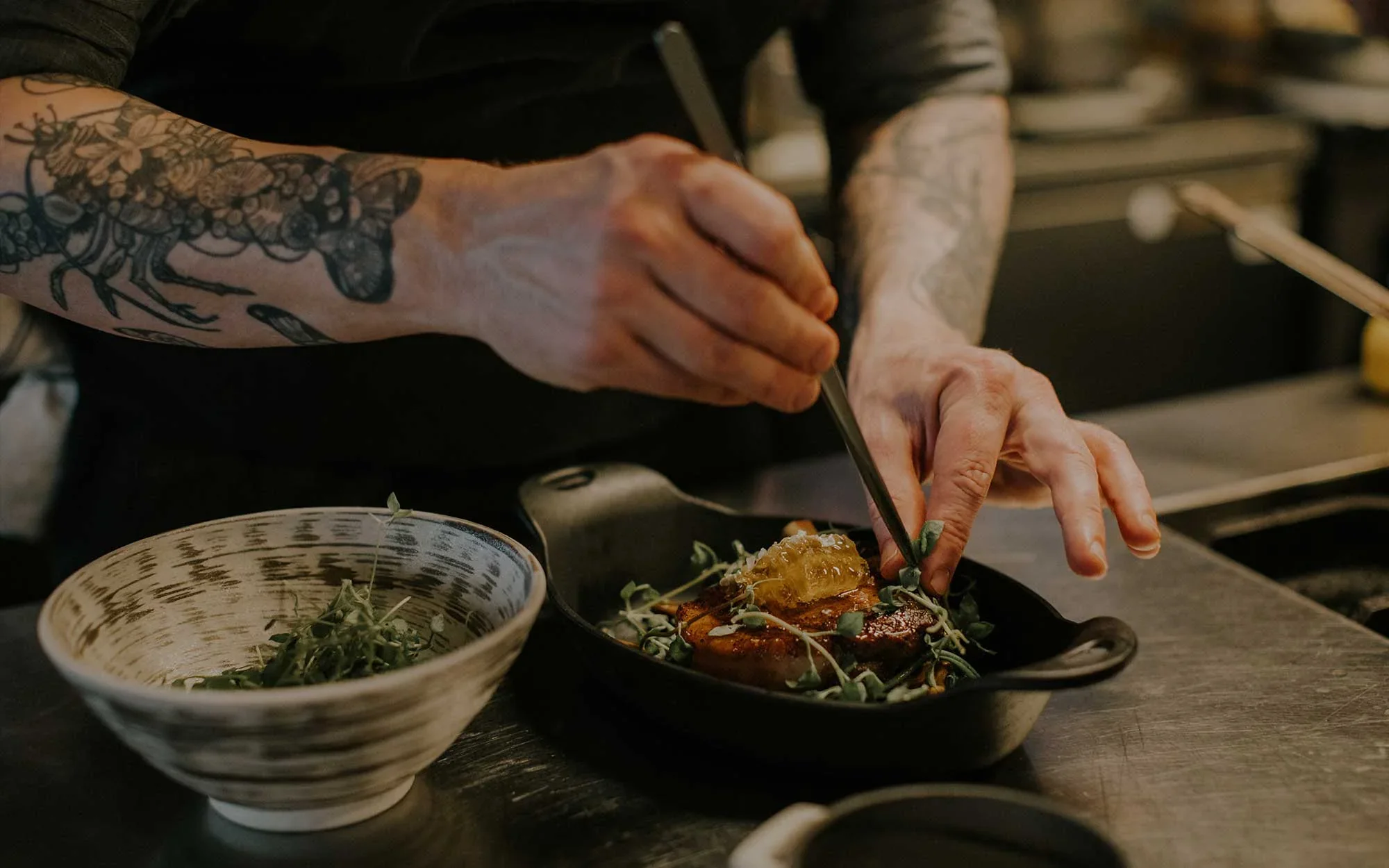
When the Industry Becomes Your Identity.
There comes a point in this industry where the job quietly transitions from being something you do into something that starts to define who you are.
At first, the shift is subtle. You start measuring your weeks in services instead of days, and before long, your life begins to revolve around the schedule. Holidays come and go without much thought because that’s just how the job works, and somewhere along the way you stop questioning it. The exhaustion, the long hours, even the burnout begin to feel like proof that you’re doing it right. When someone asks what you do for a living, you don’t just say you’re a chef or a server. You say it with pride, almost like it explains something about you as a person. In many ways, it does.
Hospitality was never meant to be a clock-in, clock-out "9-5" profession. It has a way of seeping into everything. The pace, the pressure, the language, the strange kind of camaraderie that forms when a group of people survives a brutal Saturday service together. You catch yourself saying “behind” in the grocery store aisle without even thinking about it. Your mind starts organizing the day in prep lists. On the drive home, you replay the night in your head, going over what went well and what you’d do differently if you could run it again.
Over time, the industry becomes more than a workplace. It becomes your community, your social circle, and the rhythm that shapes your week.
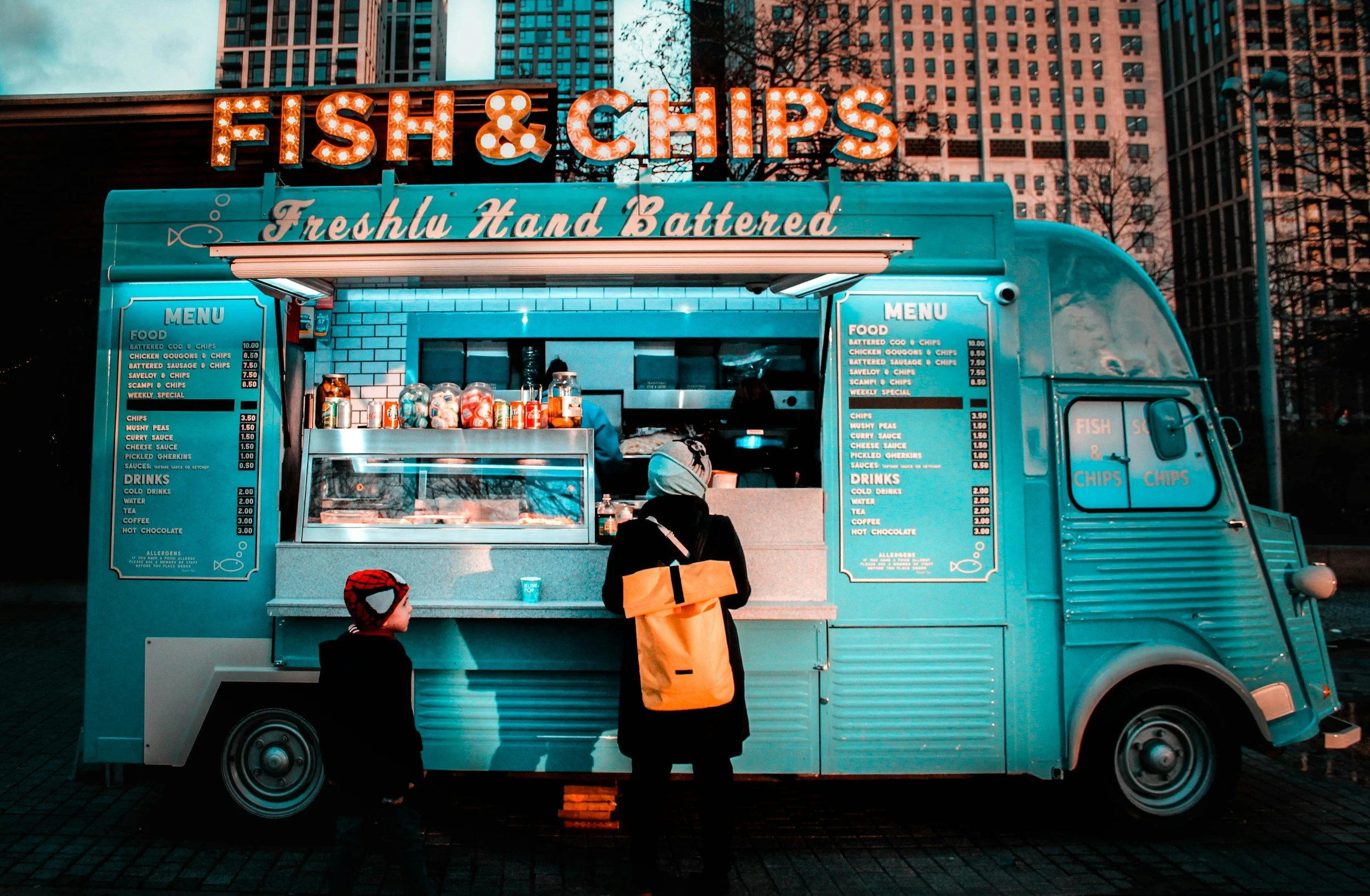
There’s something powerful about that level of immersion. It builds loyalty and resilience, and it forges bonds that people outside of hospitality rarely understand. When you’re standing on the line during a slammed service and everyone is locked in together, communicating without saying much, there’s a kind of focus that feels almost grounding. And when the night goes well, when the tickets keep moving and the whole team is dialed in, the high from that kind of service can be addictive.
But if you're not mindful about it, the line between loving the work and becoming consumed by it can start to blur. You see it in small moments more than big ones.
A cook finishes a brutal Saturday service, sits down on an overturned bucket out back, and lights a smoke while everyone else decompresses around them. Someone cracks open a shift beer, and another person is still half-running through the night in their head, talking about the ticket that backed up the board for twenty minutes straight. The conversation jumps between complaining, laughing, and replaying the chaos like a group of people who just survived something together.
At some point, someone says, “I swear I’m done with this industry.”
Everyone nods. Everyone laughs. And then the next day, they’re all back on the line again. Because for better or worse, it’s not just a job anymore.
When the industry becomes your identity, criticism stops feeling like feedback and starts feeling personal. A bad review doesn’t just sting, it makes you question your worth. A slow week isn’t just a business concern, it creeps into how you see yourself. Even taking time off starts to feel strange, because stepping away from the restaurant can feel like stepping away from who you are.
And the truth is, time off in this industry is rarely clean anyway. Texts still come in. Someone calls out. An order was missed. A piece of equipment goes down. Even when you’re technically off the clock, your mind never quite clocks out with you. Eventually, you stop asking what you enjoy outside the restaurant because the restaurant has become the thing you enjoy, and sometimes the thing you resent, but at least it’s the thing you know better than anything else.
There’s real pride in this work, and there should be. Hospitality demands a strange combination of skill sets that don’t always get the recognition they deserve. It requires emotional awareness, stamina, adaptability, and the ability to stay composed while everything around you moves at full speed. It’s not just serving food or cooking dishes. It’s reading a room, managing chaos, and fixing problems before anyone else even notices they happened.
But when your entire sense of value is tied to how well a shift goes, that’s a fragile place to build your identity.
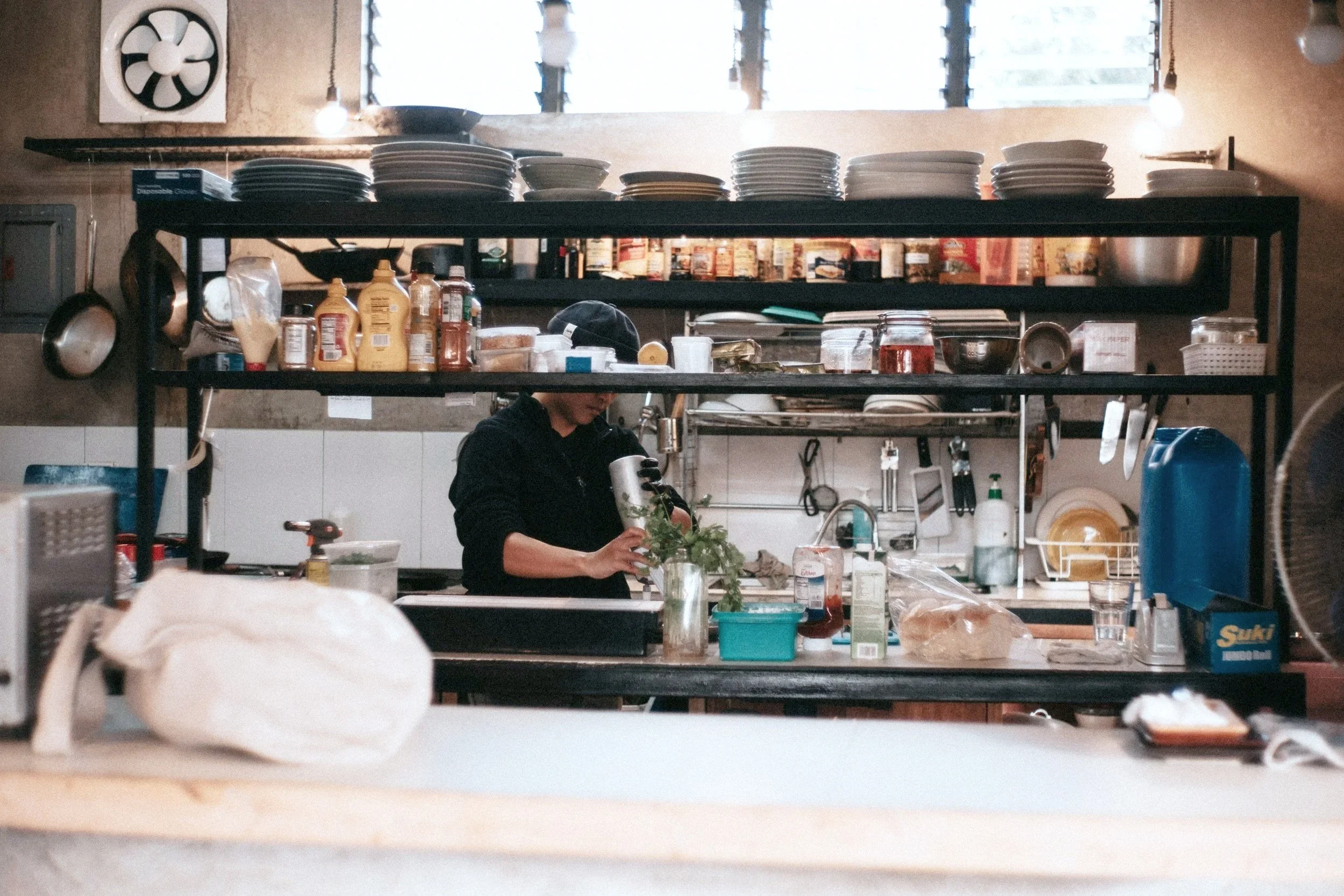
The industry itself is unpredictable. Ownership changes. Management shifts. Restaurants close. Teams evolve. Trends move on faster than anyone expects. When your sense of self is wrapped completely in the apron, moments like that force an uncomfortable question: who are you when the apron comes off?
It’s not wrong to love this industry. In fact, that kind of passion is often what keeps people in it long term. But loving the work and being consumed by it aren’t the same thing. The healthiest kitchens I’ve seen are filled with people who care deeply about what they do, but who also have something waiting for them outside the restaurant. A hobby, a creative outlet, time with family, etc. Something that reminds them that their identity isn’t entirely tied to the next service.
Because when you actually give yourself space to step away and recharge, you show up steadier. The hard nights don’t hit quite as deeply, and the inevitable chaos of the industry doesn’t shake you the same way. Maybe the real strength in hospitality isn’t just how hard we can push ourselves during service, but how willing we are to step away from it when we need to, without feeling like we’re losing a part of who we are.