What Guests
Never See.
Guests experience restaurants in moments. A greeting at the door, a plate landing on the table, a glass refilled without asking.
To them, it can feel seamless when it’s done well, like everything is simply unfolding the way it should. What they don’t see is how much effort, adjustment, and emotional weight sits behind those moments long before anyone ever sits down.
In fast-casual environments, the work can feel almost entirely transactional. Move the line, hit the numbers, keep things efficient, don’t slow down. There’s very little room for emotion, and over time, that shows up in the standards. It becomes robotic. Food turns into assembly, service becomes muscle memory, and the human side of the work quietly gets stripped away. It functions, but it rarely feels good, and people notice when the energy starts to fade.
In higher-end restaurants, the pressure manifests differently. Standards are tighter, expectations are higher, and everyone is expected to be on their “A game” every single shift. The margin for error is slim, and the stakes feel personal. When something heavy is happening outside of work, a sick parent, a relationship unraveling, burnout that’s been building for months, there’s often no space for it to land. The room still expects polish, timing, and precision, no matter what someone is carrying into the building.
Guests don’t see any of that context, but they absolutely feel the result of it.
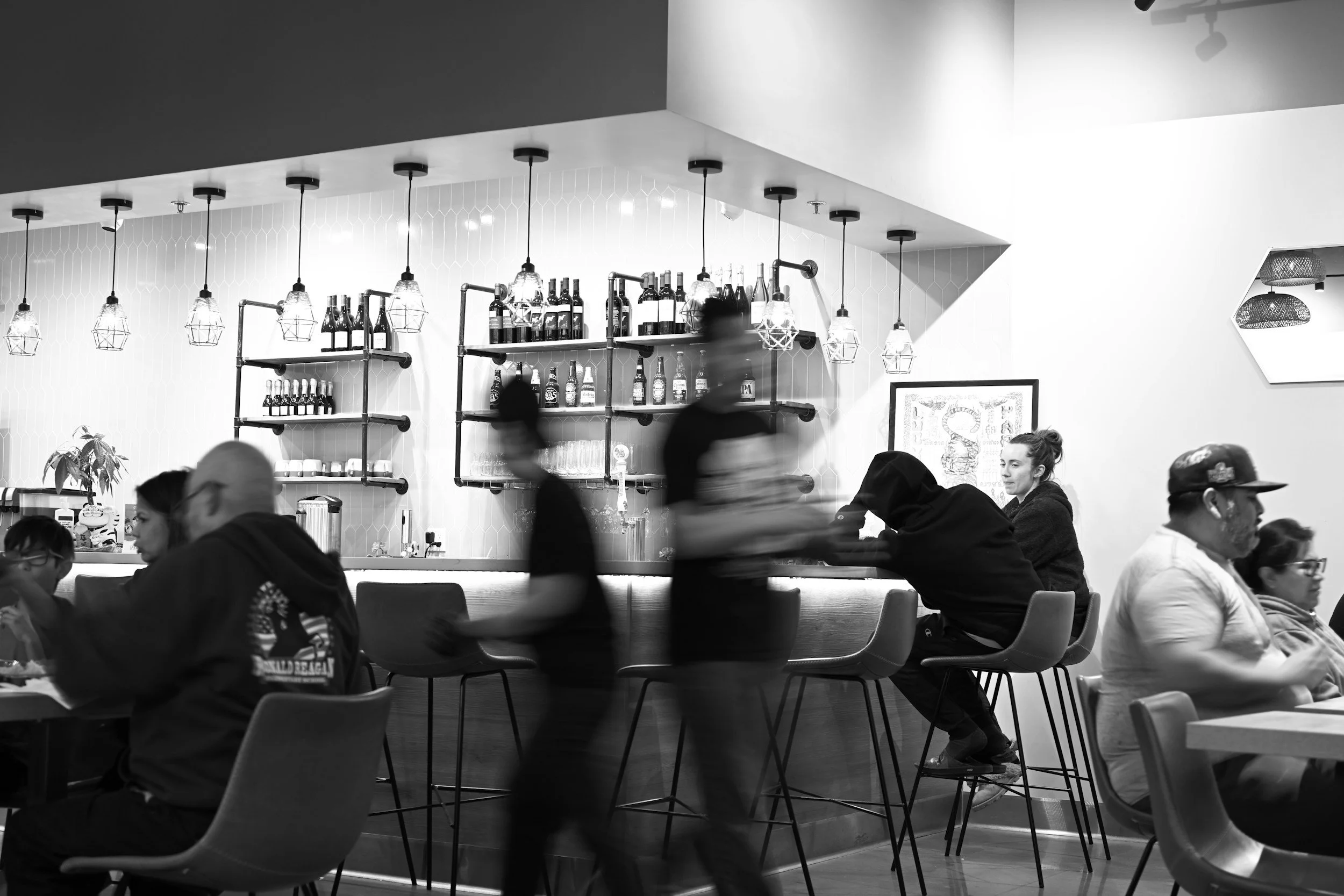
They sense it in the way a room holds together or doesn’t. Whether smiles feel genuine or fake. In how a plate is placed, with care and intention, or rushed just enough to be noticeable. They feel it when a server stays present after a mistake, or when tension lingers because no one has the bandwidth to reset. Most guests can’t articulate these details, but they register the overall vibe immediately.
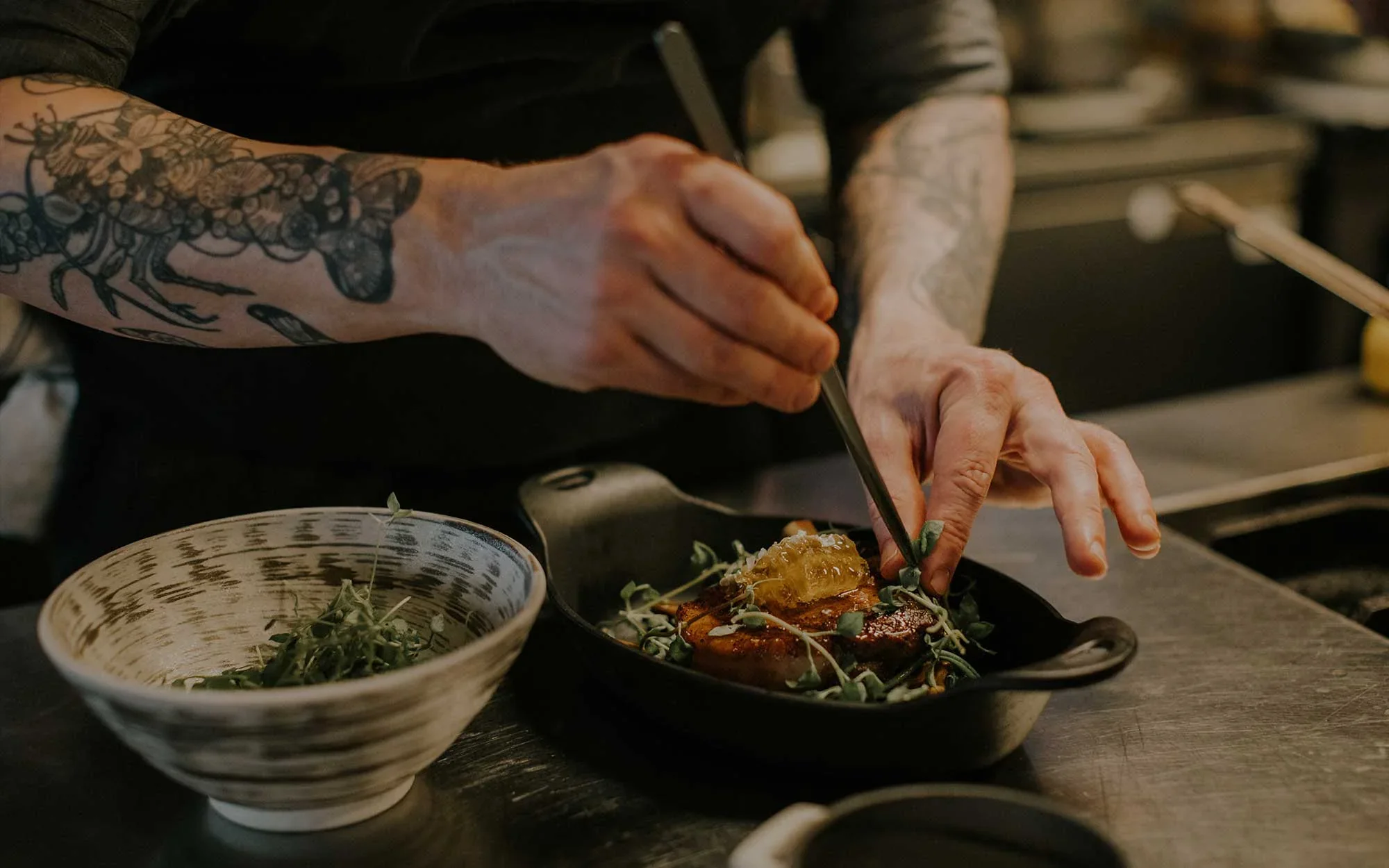
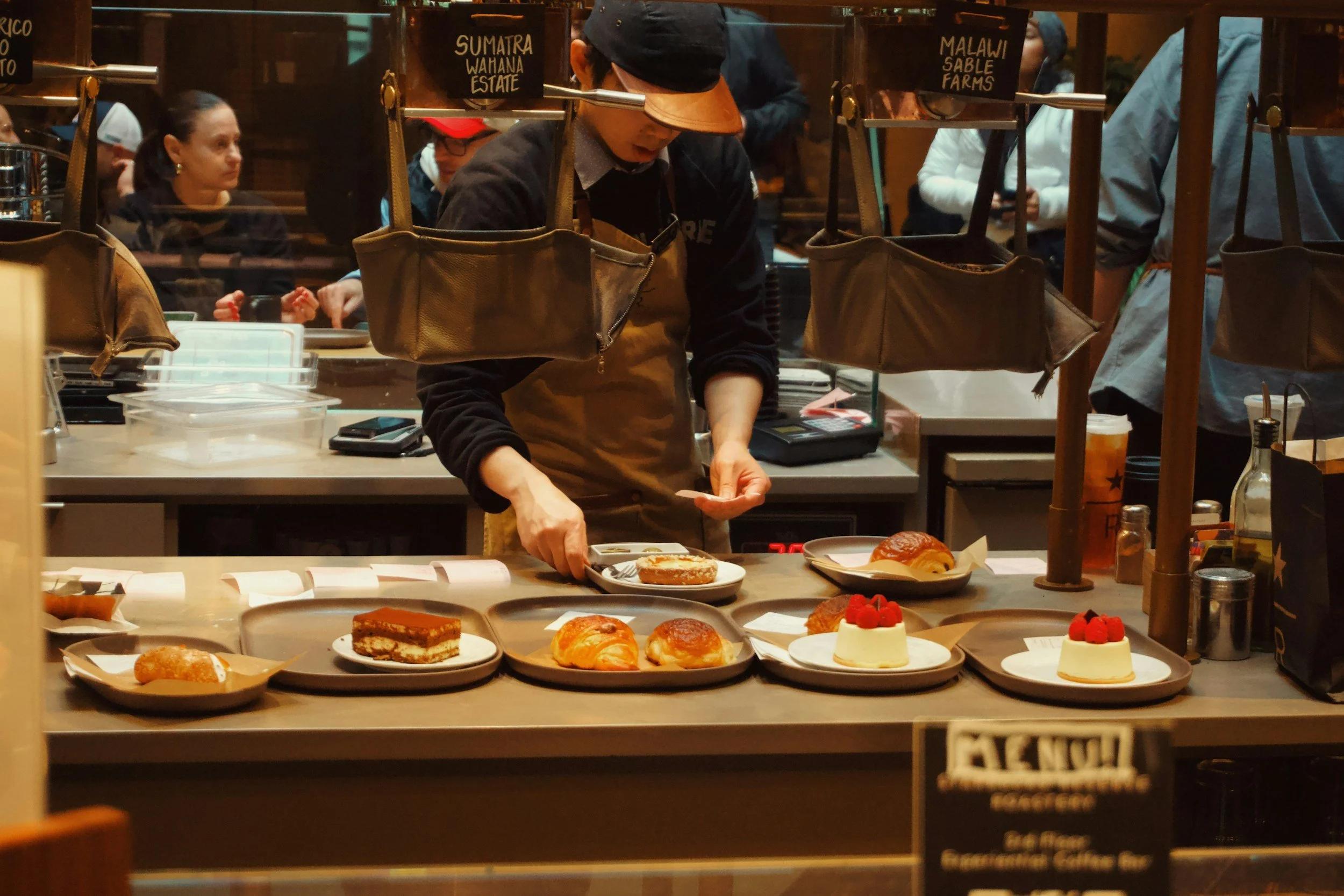
Behind the scenes, the work is constant and often invisible. Prep starts hours before service. Stations get rebuilt mid-shift when something runs out, or a delivery shows up wrong. Schedules get adjusted on the fly when someone calls out. The same few people step up again and again because they don’t want to leave the team hanging. By the time the first table is sat, compromises have already been made just to keep the night moving —This is where hospitality actually lives.
It lives in how teams talk to each other when the printer won’t stop and everyone’s weeded. It shows up in whether questions are met with patience or frustration, in whether someone feels safe asking for help before a small issue becomes a bigger one. You can serve great food all night long, but if the energy behind it feels tight or exhausted, guests will pick up on it.
What guests almost never see is the emotional labor required to keep showing up steady. Reading the room, absorbing stress, staying warm and attentive even when you’re running on fumes. Showing care when your own energy is low. That kind of effort takes something out of you, and it doesn’t replenish itself automatically.
Caring takes energy, and energy isn’t endless.
When teams don’t feel supported behind the scenes, it eventually shows. Service becomes more mechanical. Communication shortens. The room loses its ease. Not because people stopped caring, but because caring without support has a cost, and eventually that cost catches up.
The restaurants that last understand this, even if they don’t always talk about it. They invest in what guests never see. Thoughtful scheduling that allows for recovery. Clear systems so the same fires don’t keep popping up. Leaders who notice when someone is off and step in before it spills over into service. Space for people to be human without the whole operation feeling fragile.
Those choices don’t always earn praise or five-star reviews, but they earn consistency. They show up in teams that stay, in services that feel grounded even on hard nights, and in guests who leave feeling taken care of without being able to explain exactly why.
Hospitality isn’t just what arrives at the table. It’s the emotional and physical effort that made that moment possible, even when no one was watching. That’s the part people in this industry recognize immediately. And it’s the part that matters most.